
Installing an automatic gate system: Hydraulic vs. sliding motors and common failures: common mistakes that cost you money
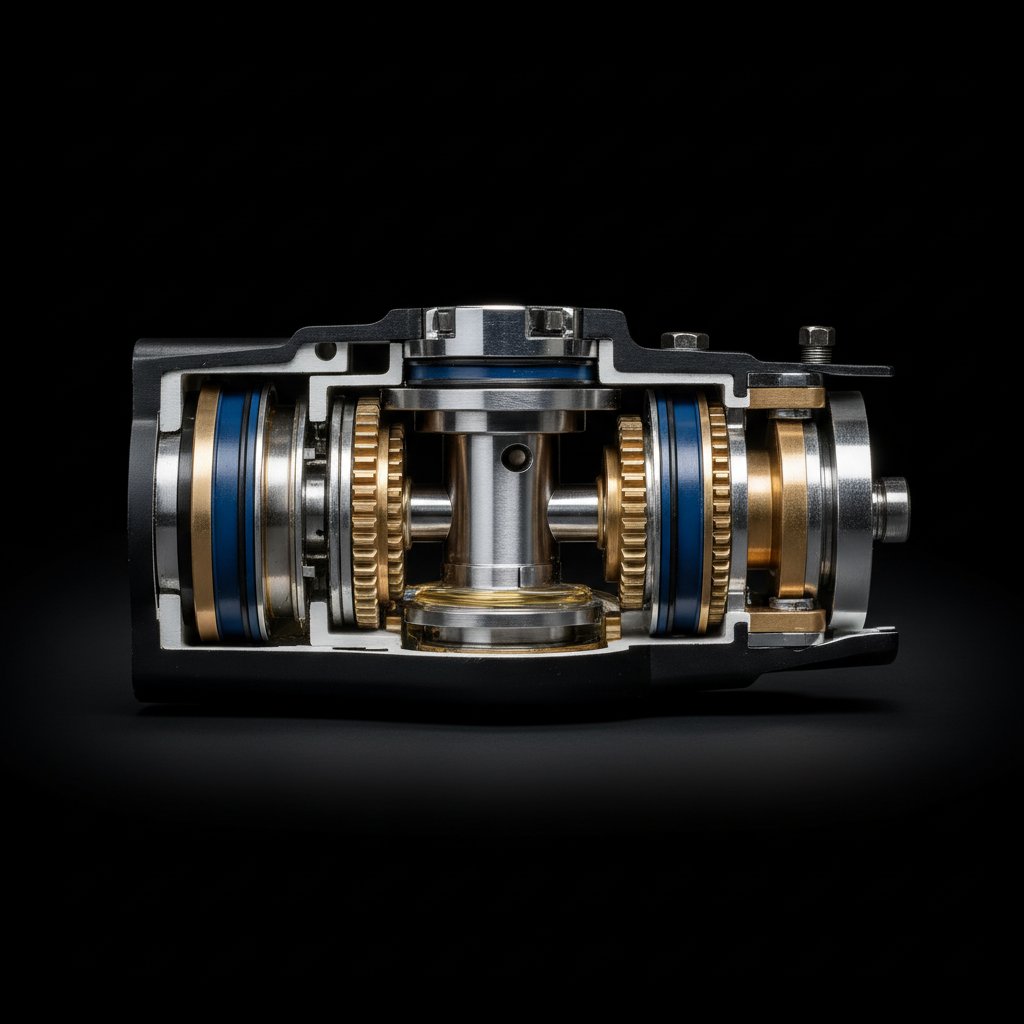
Hydraulic vs. Sliding Motors: Which Automatic Gate System Won't Drain Your Wallet?
You've finally decided to automate your gate. Smart move. But here's where most people stumble: choosing between hydraulic and sliding motor systems without understanding what they're actually getting into. I've seen homeowners drop thousands on the wrong setup, only to face repairs within 18 months. Let's break down what actually matters.
Hydraulic Gate Motors: The Heavy-Duty Workhorse
Hydraulic systems use pressurized fluid to power your gates. Think of them as the diesel trucks of gate automation—built for punishment.
The Upside
- Handles massive gates: We're talking 1,500 pounds and up. If you've got ornate wrought iron or solid wood gates, hydraulics won't break a sweat.
- Smooth operation: The fluid-based mechanism creates buttery-smooth movement without jerky starts and stops that stress mounting points.
- Weather resistant: These systems laugh at temperature swings. From -40°F to 150°F, they keep working.
- Longevity: A properly maintained hydraulic system can run 15-20 years. Some commercial units I've seen are still going strong after 25 years.
- Low speed means high security: Slower closing speeds (around 10-15 seconds for a full cycle) make them harder to force open mid-operation.
The Downside
- Price tag stings: Expect to pay $2,500-$4,500 for a quality residential hydraulic setup, installed. That's roughly 40-60% more than sliding systems.
- Maintenance isn't optional: Hydraulic fluid needs checking every 6-12 months. Seals can leak, and when they do, you're looking at $300-$800 in repairs.
- Installation complexity: You need someone who knows hydraulics. A botched install means oil leaks and premature failure.
- Slower operation: If you're in a rush, that 15-second cycle time feels like forever compared to sliding motors.
Sliding Gate Motors: The Efficient Operator
Sliding motors use an electric motor with a rack-and-pinion or chain drive system. They're the modern, streamlined choice that most residential properties opt for.
The Upside
- Budget-friendly: Quality sliding motor systems start around $1,500-$2,800 installed. That's real money saved.
- Speed demon: Most complete their cycle in 8-12 seconds. Perfect for busy driveways with multiple daily uses.
- Minimal maintenance: Lubricate the track every few months, keep debris clear. That's basically it.
- Space efficient: The motor sits alongside the fence line, taking up minimal space compared to swing gate hydraulics.
- DIY-friendly repairs: When something breaks, parts are standardized and easier to source. Labor costs run 30-40% less than hydraulic repairs.
The Downside
- Weight limitations: Most residential sliding motors max out around 800-1,000 pounds. Push beyond that, and you're asking for motor burnout.
- Track maintenance required: Dirt, leaves, and ice in the track mean your gate stops working. In snowy climates, this becomes a weekly headache.
- Exposed components: The rack and motor are more vulnerable to weather damage. Expect a 10-12 year lifespan in harsh conditions.
- Foundation matters: Your track needs a perfectly level concrete foundation. Settling or cracking means the gate binds up.
Head-to-Head Comparison
| Factor | Hydraulic Motors | Sliding Motors |
|---|---|---|
| Initial Cost | $2,500-$4,500 | $1,500-$2,800 |
| Weight Capacity | 1,500+ lbs | 800-1,000 lbs |
| Operation Speed | 12-15 seconds | 8-12 seconds |
| Lifespan | 15-20 years | 10-12 years |
| Annual Maintenance | $150-$300 | $50-$100 |
| Climate Tolerance | Excellent (-40°F to 150°F) | Good (requires winter prep) |
Common Mistakes That'll Cost You
Undersizing your motor: This is the number one failure I see. Your 900-pound gate needs the next size up motor, not the minimum spec. Motors running at 90% capacity burn out in 3-5 years instead of 10+.
Skipping the foundation work: A $200 concrete pad saves you from a $1,500 reinstall when your sliding track settles unevenly after six months.
Ignoring your usage cycle: Opening your gate 30+ times daily? You need a commercial-rated motor, even for residential use. Residential motors are rated for 15-20 cycles daily. Push beyond that and warranty claims get denied.
Buying based on price alone: That $800 sliding motor kit from overseas? You'll spend the difference in electrician fees troubleshooting the garbage wiring diagram and proprietary parts that take 8 weeks to ship.
The Real Answer
Heavy gates over 1,000 pounds? Go hydraulic. You'll pay upfront but avoid replacement costs down the road.
Standard residential sliding gates under 800 pounds with moderate daily use? Sliding motors make financial sense. The lower maintenance costs offset the shorter lifespan.
Whatever you choose, spend the extra $400-$600 for professional installation. I've seen more DIY disasters than I can count, and fixing someone else's mistakes always costs double what proper installation would have.